
• About
  • Archive
  • Contact
The Greening of Gavin
  • Home
  • Our Green Shop
    • Little Green Workshops
  • Green Workshops
    • Cheese Making
    • Soap Making
    • Soy Candle Making
  • eBooks
    • Clay Oven eBook
    • Keep Calm and Make Cheese eBook
  • Podcast
    • TGOG Podcast
    • TGoG Podcast Archive
    • Little Green Cheese
  • Vlog
  • Cheese
  • Green Living
    • Chickens
    • Gardening
    • Soap Making
    • Recipes
    • Climate Change
    • Peak Oil
    • Solar Power
  • Resources

TGoG 118 – Plastic Free Living with Lindsay Miles

July 15, 2015 @ 10:00 By Gavin Webber 2 Comments

[spp-player optin=”off”]

All that plastic getting you down? Want to live a plastic free lifestyle?  Well I have a treat for you!

On the show today I’m joined by Lindsay Miles who is the author of the popular blog Treading My Own Path.

Lindsay Miles - Shopping for Zero Waste Tortilla Chips

Lindsay Miles – Shopping for Zero Waste Tortilla Chips

After watching the documentary Bag It, she made a fundamental change in her life and chose to live a plastic free lifestyle, which as she describes in the episode was not a simple as it first seems.  Lindsay and her husband persevered and now manage to live a plastic free lifestyle.

We also chat about why recycling is the 3rd R and why its not all it’s made out to be, sustainable living, consumerism gone wild, and her love of food gardening.

Join us by listening to this very interesting show.

P.S. After listening to Lindsay and Erin talk about this documentary, I just ordered my own DVD copy to watch and review.


Don’t forget that this podcast is supported financially by you, the listener.  This not only keeps the show (and blog) advertisement free, but keeps us on the air each week.

If you would like to support the show and pledge as little as US$1 to keep us up and running, please pop over to www.patreon.com/greeningofgavin and pledge away!

Also if you like the show, use the iTunes button and leave a rating and a review.  We love to hear what our listeners think about our show.

Until next episode, keep it green!
Will this article help someone you know? If so help them out by sharing now!

  • Click to share on Facebook (Opens in new window) Facebook
  • Click to share on X (Opens in new window) X
  • Click to share on LinkedIn (Opens in new window) LinkedIn
  • Click to share on Reddit (Opens in new window) Reddit
  • Click to share on Pinterest (Opens in new window) Pinterest
  • Click to share on Tumblr (Opens in new window) Tumblr
  • Click to print (Opens in new window) Print
  • Click to email a link to a friend (Opens in new window) Email
  • More
  • Click to share on Pocket (Opens in new window) Pocket

Filed Under: Plastic, Podcast, Pollution, recycle, TGOG Podcast

TGoG 115 – Bek’s Backyard with Bek Stiegler

June 24, 2015 @ 15:45 By Gavin Webber 5 Comments

[spp-player optin=”off”]

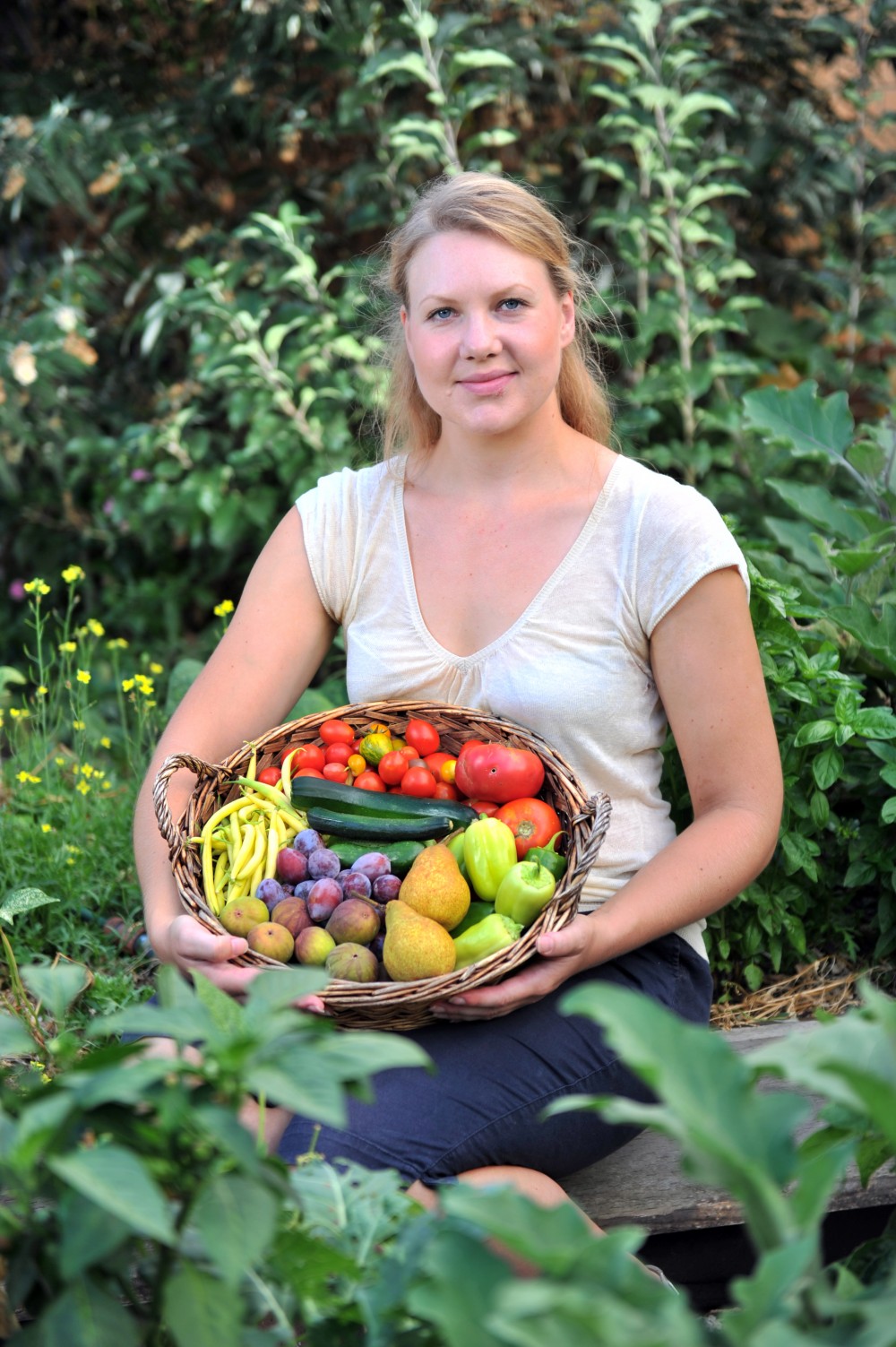
Bek Stiegler went pretty much went from the average consumer (supermarket shopping, buying stuff she didn’t need, buying the cheapest and not caring where it came from etc) to growing pretty much all her own food (except meat and dairy), reusing and recycling, and being an extremely conscious consumer.  She lives in Melbourne on a 750m² suburban block.

She writes about her own sustainable living journey over at Bek’s Backyard, a popular gardening and lifestyle blog.

Bek Stiegler

Bek Stiegler

During the show we talk about how she went from a barren backyard to building a fruitful and abundant suburban food farm!  She loves fruit trees and eating fruit that is in season.  If there is a glut she preserves via dehydration or water bath.

Her passion and enthusiasm about growing her own food is clearly evident as you listen to the episode.  Please thank Bek for sharing her story and journey with us all.


Don’t forget that this show is financially supported by you, the listener, via our Patreon page.  If you believe the show adds value to the sustainable living community and you would like to support the show, please pledge your support at http://www.patreon.com/greeningofgavin.  Any pledge small or large is most welcome, as it keeps the show going and growing week by week.

Become my patreon!

And finally, do you think this podcast episode will help someone you know?  If so, help them out by sharing it using the social media buttons below.  And if you are super excited about what you have heard during this episode, pop on over to iTunes using the button under the player and leave a rating and review.

It helps the podcast get noticed in the charts and makes it more visible for others who may be interested in living a more sustainable lifestyle in the ‘burbs.  Thanks!

[spp-optin]


Will this article help someone you know? If so help them out by sharing now!

  • Click to share on Facebook (Opens in new window) Facebook
  • Click to share on X (Opens in new window) X
  • Click to share on LinkedIn (Opens in new window) LinkedIn
  • Click to share on Reddit (Opens in new window) Reddit
  • Click to share on Pinterest (Opens in new window) Pinterest
  • Click to share on Tumblr (Opens in new window) Tumblr
  • Click to print (Opens in new window) Print
  • Click to email a link to a friend (Opens in new window) Email
  • More
  • Click to share on Pocket (Opens in new window) Pocket

Filed Under: consumerism, food, fruit, Gardening, grey water, Podcast, recycle, reduce, reuse, TGOG Podcast, vegetables

How to Move Away From Plastic

December 14, 2014 @ 17:40 By Gavin Webber 13 Comments

Plastic is everywhere.

Just take a second to look around you and I bet you spot at least 10 objects that have plastic on or in them.  Case in point, I am typing this blog post on a plastic computer keyboard, pointing with my plastic mouse, and editing the words with my plastic computer monitor.

It is everywhere and that is not a particularly good thing.  There are many types of plastic, usually numbered from 1 to 7 to indicate the composition of the item made from it.

Plastic Recycling Codes

Plastic codes and common uses

Many petroleum-based plastics take many, many years to break down in the environment around them.  In truth, they don’t really break down, they just shatter into smaller pieces and persist in our soils, waterways, and oceans and killing wildlife when they ingest these pieces.  Compostable plastics are now entering the marketplace, but still in very low volumes.  These are usually made from plant starches and breakdown over a few years.

There are so many simple ways to make the move away from plastic easier.  Refusing to buy food in plastic containers is one of the easiest I can think of, which also includes disposable coffee cups; even the paper ones that are lined with plastic.  Ironically, I use a KeepCup.  Although it is made from plastic, it is better than using disposables, and can be used over and over and recycled at the end of its life.

Plastic shopping bags are easy to refuse.  Take along your own canvas or market bags to the shop.  We always have a bundle of canvas bags in the boot of our car for such a purpose.  If you do get given a plastic shopping bag, you can recycle them at our major supermarkets as well as other soft plastics.

If you do get stuck without an alternative to plastic, make sure you recycle the item.  So much recyclable plastic gets thrown into landfill.  Recycled plastic can be turned into things like ceiling insulation, park benches, thermal filler in jackets, and all sorts of useful things.  Curbside recycling is available in most suburbs in most cities in Australia, so there is no real reason not to recycle these items.  There are now even many recycling bins on our city streets.

By taking small steps to move away from plastic is an easy way to start, and poses less of an impact on the environment.  All I ask is take the time to think about the plastic you use in your daily lives, then consider an alternative solution.

Now as they say, a picture is worth a thousand words, so during my research for this post, I came across the infographic below.  Even though it has stats for the United States, much of it is similar for Australia and other western countries.  From what I can tell, the volumes are way higher than here in Oz, but the percentages are similar.   Check it out.  Some of the information will astound you!

Click to Enlarge Image

Put Down The Plastic

Put Down The Plastic
Infographic by CustomMade

Will this article help someone you know? If so help them out by sharing now!

  • Click to share on Facebook (Opens in new window) Facebook
  • Click to share on X (Opens in new window) X
  • Click to share on LinkedIn (Opens in new window) LinkedIn
  • Click to share on Reddit (Opens in new window) Reddit
  • Click to share on Pinterest (Opens in new window) Pinterest
  • Click to share on Tumblr (Opens in new window) Tumblr
  • Click to print (Opens in new window) Print
  • Click to email a link to a friend (Opens in new window) Email
  • More
  • Click to share on Pocket (Opens in new window) Pocket

Filed Under: Environment, recycle, waste

Next Page »

Search This Blog

Follow my work

About Gavin Webber

About Gavin Webber

An Ordinary Australian Man Who Has A Green Epiphany Whilst Watching A Documentary, Gets a Hybrid Car, Plants A Large Organic Vegetable Garden, Goes Totally Solar, Lowers Consumption, Feeds Composts Bins and Worms, Harvests Rainwater, Raises Chickens, Makes Cheese and Soap, and Eats Locally. All In The Effort To Reduce Our Family's Carbon Footprint So We Can Start Making A Difference For Our Children & Future Generations To Come.

Delve Into the Archives

Visit Our Online Simple Living Shop

Little Green Workshops

Top Posts & Pages

Hot Chilli Chutney
Curing Black Olives
Home Made Bread Rolls
The Seven Stages Of Change
Black Aphids On Garlic
How To Remove Scaly Leg Mites
2 Fruit Marmalade
Outdoor Solar Shower
Tips for Growing Citrus in Pots
Pickled Limes

Recent Awards

Recent Awards

Local Green Hero

Categories

Favourite Daily Reads

Debt Free, Cashed Up, and Laughing

The Off-Grid Solar House

Greener Me

The Rogue Ginger

Little Eco Footprints

Down To Earth

Surviving the Suburbs

Little Green Cheese

Eight Acres

The Witches Kitchen

TGOG Readers On-line

Carbon Offset website

Copyright - Gavin Webber © 2026