• About
  • Archive
  • Contact
The Greening of Gavin
  • Home
  • Our Green Shop
    • Little Green Workshops
  • Green Workshops
    • Cheese Making
    • Soap Making
    • Soy Candle Making
  • eBooks
    • Clay Oven eBook
    • Keep Calm and Make Cheese eBook
  • Podcast
    • TGOG Podcast
    • TGoG Podcast Archive
    • Little Green Cheese
  • Vlog
  • Cheese
  • Green Living
    • Chickens
    • Gardening
    • Soap Making
    • Recipes
    • Climate Change
    • Peak Oil
    • Solar Power
  • Resources

Growing Citrus in Temperate Zones

July 1, 2015 @ 17:10 By Gavin Webber 2 Comments

We are blessed with mild winters where we rarely get frost.  We also have hot dry summers.  We live in what is known as a Mediterranean climate or Temperate zone.  These are pretty good conditions for growing citrus fruit, especially due to a couple of amazing micro climates that I have in our yard that help during winter.

We have four trees against a east/west facing brick wall that provides the trees with extra heat, and five trees in the pool area where they receive abundant reflected light and full sun in winter.

This year we have been rewarded with a bumper crop of all types that we grow organically on our suburban food farm!

Just a note to remember.  All of our citrus trees are grown in pots as the soil is a heavy clay which not particularly good for establishing this type of fruit tree.  Citrus likes well-drained soil and hates wet feet.  Check out this post titled Tips for Growing Citrus in Pots.

Meyer Lemons

Meyer Lemon

This is a Meyer lemon which is growing in the pool area of the garden.  It gets a lot of reflected sunlight and is a heavy feeder.  The fruit is almost seedless, and it ripens in late April.  We just pick the fruit as we need it for hot lemon drinks or meals, and they are great preserved in jars or as a pickle.

Navel Oranges
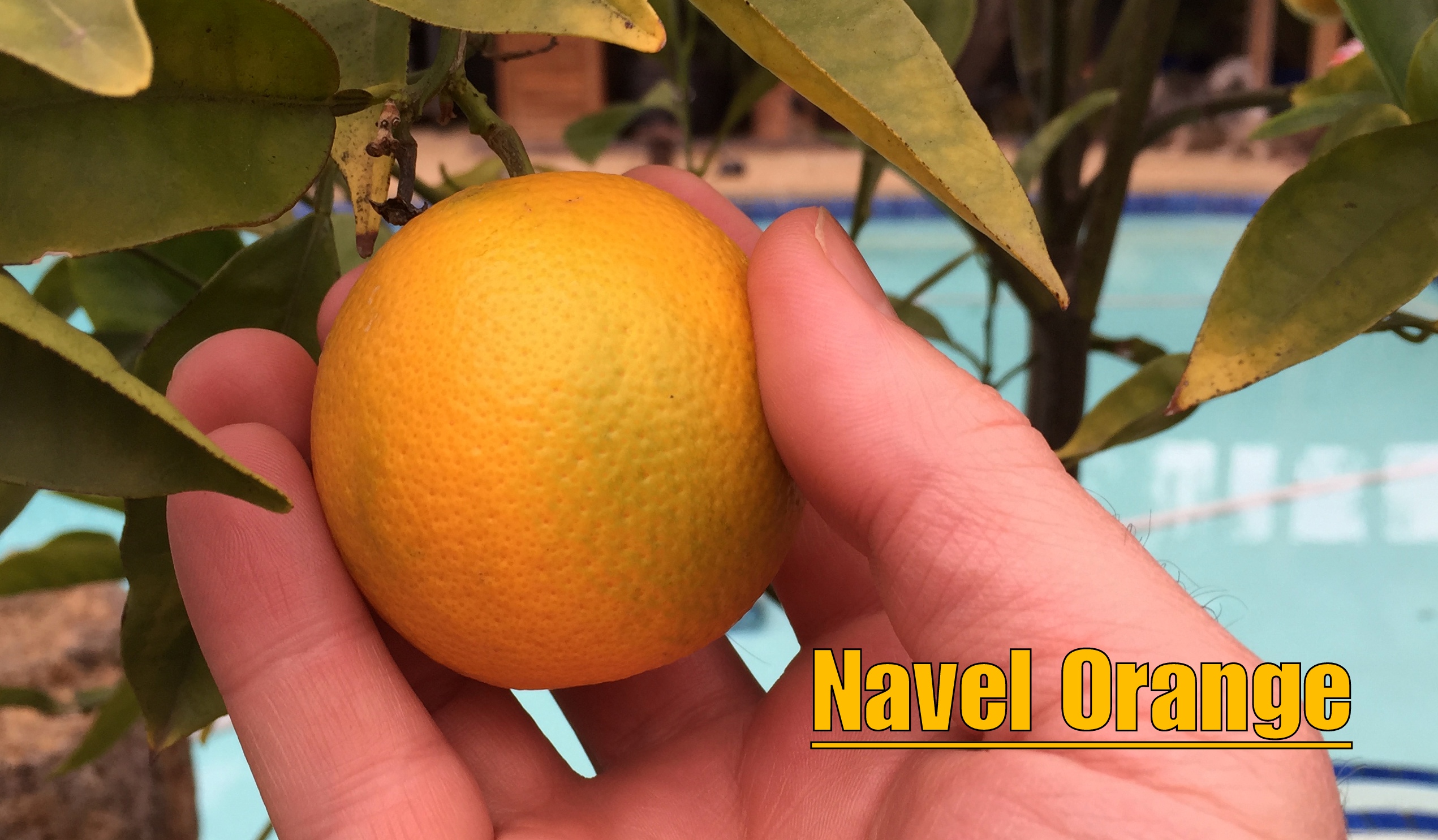
Navel Orange

I have two navel orange trees, but only one of them has ever set fruit.  I feed them well with organic fertiliser, and make sure that they are always moist.  They should ripen by the end of July.  You can still see a little bit of green skin, which will turn orange when ripe.

During winter you will always notice yellowing of the leaves.  As long as your citrus trees are well fed every month and kept moist, it is nothing to worry about, because this is just the tree renewing leaves.  The older ones yellow and drop off, with new green shoots appearing soon after.

Lemonade
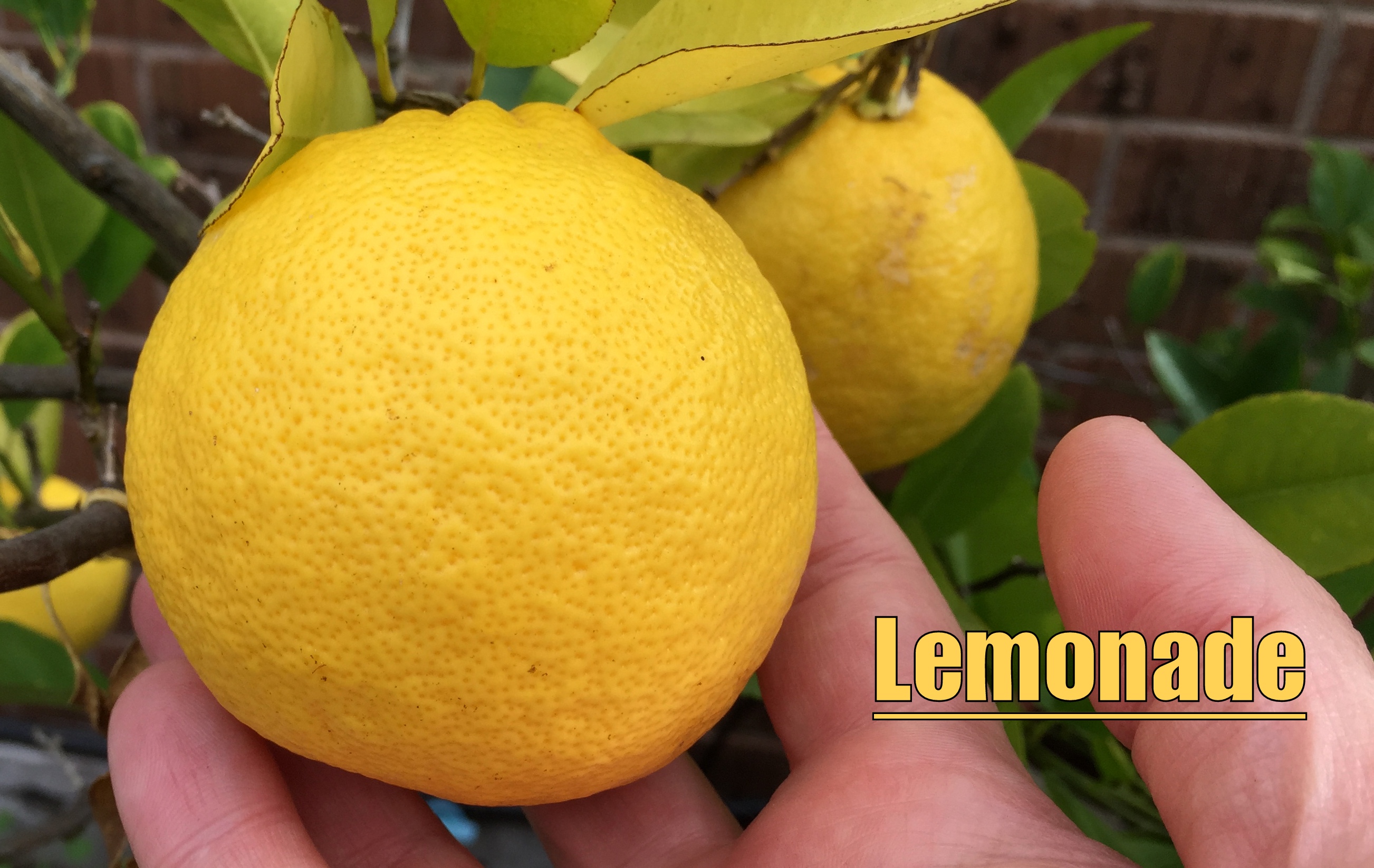
Lemonade

This is one of my favourites, the Lemonade.  It kind of looks like a lemon, but it is sweet and can be eaten straight from the tree.  It grows large fruit and the tree is always loaded in the colder months.  Great for making juice as well.

Mandarins
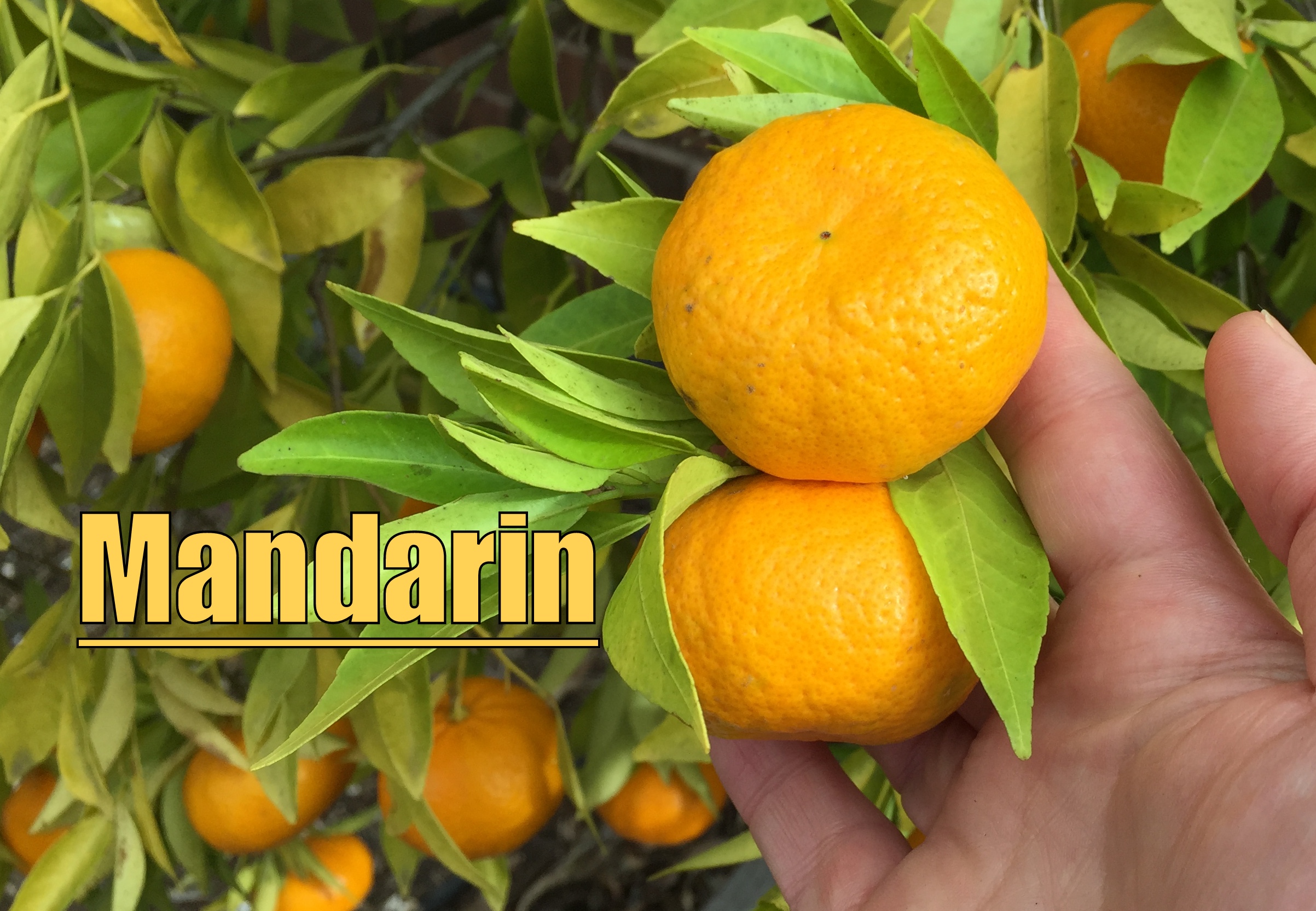
Mandarin

We also have two Mandarin trees, with only one fruiting this year.  The other decided to drop all its leaves and regrow just as it was in flower.  Anyway, the Mandarin fruit is nearly ready to pick.  It’s still a little sour and has a little green skin on the bottom, so it should be ready in a few weeks time.  When ripe, they are very sweet and delicious straight off the tree.

Eureka Lemons

Eureka Lemons

Eureka lemons are our general purpose citrus used for juicing, cooking and cleaning.  The tree fruits abundantly and flowers for about three months of the year.  We even use them for making Paneer!

Tahitian Limes

Tahitian Limes

Our Tahitian Lime tree always has a few fruit on it most of the year round.  Great in Key Lime Pie, Lime pickles, and in Cerveza.  We do use them for refreshing drinks in late Spring as they do last on the tree for quite a while.  They do eventually turn yellow, but it the colour does not affect the flavour.  The fruit are mostly seedless.

Blood Oranges

Blood Oranges

This is the first year we have had a decent crop of Blood Oranges, but I may have picked them too early.  They are just beginning to turn crimson inside as you can see from the cut fruit.  They are a combination of sweet and sour, so probably should have stayed on the tree for another couple of weeks.  Not to worry though, as they are very edible and will juice well.

Grow Some Now!

Anytime is the right time to plant citrus trees, especially if you have some large pots spare.  If you have loamy soil then you should have no problems growing them straight in the ground.  If your place is frost prone, you will have to protect them for the first few years until they get a bit of height especially if growing citrus in temperate zones or cooler mountain climates.

So, not only is citrus fruit delicious and versatile, it provides you with loads of Vitamin C, which when deficient in your diet, can cause scurvy.

I cannot recommend this easy to grow fruit variety highly enough.  Just make sure that you fertilise regularly and keep the soil moist and you should have no issues setting fruit in a few year.

When all other fruit is a distant memory, citrus come through in abundance during the winter months.  Love it!
Will this article help someone you know? If so help them out by sharing now!

  • Click to share on Facebook (Opens in new window) Facebook
  • Click to share on X (Opens in new window) X
  • Click to share on LinkedIn (Opens in new window) LinkedIn
  • Click to share on Reddit (Opens in new window) Reddit
  • Click to share on Pinterest (Opens in new window) Pinterest
  • Click to share on Tumblr (Opens in new window) Tumblr
  • Click to print (Opens in new window) Print
  • Click to email a link to a friend (Opens in new window) Email
  • More
  • Click to share on Pocket (Opens in new window) Pocket

Filed Under: fruit, garden, Gardening, Organic

TGoG 110 – Lucy House: Dawson Valley Free Range

May 20, 2015 @ 19:42 By Gavin Webber Leave a Comment

[spp-player optin=”off”]

Knowing where our meat comes from very important to Kim and me.  We want to ensure that any meat we consume has had the best possible life and has only one bad day.  Ethically raised and not factory farmed.

Imagine my delight when I was contacted by Lucy who runs a free range farm in Baralaba, Queensland.

We talked at length about farm management, how she farms without chemical inputs, and she even makes cheese. She even told me that she is a bit of a Joel Salatin groupie who has seen him talk three times!

So much great information in one episode.

You can find Lucy & Kim (her hubby) at the following places;

  • Dawson Valley Free Range
  • Healthy Farming, Healthy Food
  • Facebook page
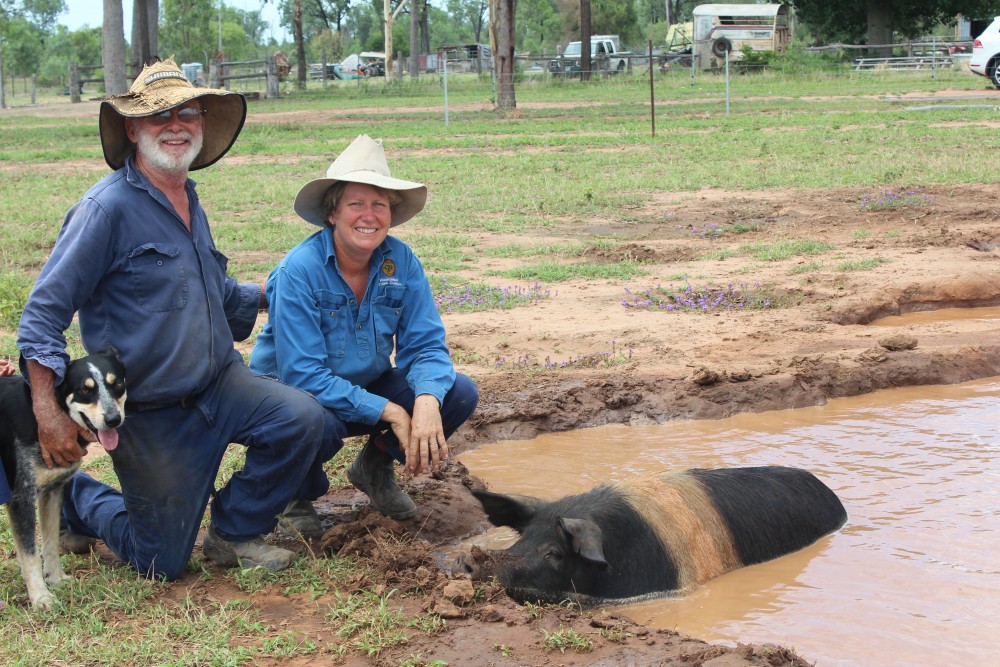
Dawson Valley Free Range - Kim & Lucy

Kim & Lucy


Don’t forget that this show is financially supported by you, the listener, via our Patreon page.  If you believe the show adds value to the sustainable living community and you would like to support the show, please pledge your support at http://www.patreon.com/greeningofgavin.  Any pledge small or large is most welcome, as it keeps the show going and growing week by week.

Become my patreon!

And finally, do you think this podcast episode will help someone you know? If so, help them out by sharing it using the social media buttons below.  And if you are super excited about this episode, pop on over to iTunes and leave a rating and review using the button under the player.

It helps the podcast get noticed in the charts and makes it more visible for others who may be interested in living a more sustainable lifestyle in the ‘burbs.  Thanks!

Will this article help someone you know? If so help them out by sharing now!

  • Click to share on Facebook (Opens in new window) Facebook
  • Click to share on X (Opens in new window) X
  • Click to share on LinkedIn (Opens in new window) LinkedIn
  • Click to share on Reddit (Opens in new window) Reddit
  • Click to share on Pinterest (Opens in new window) Pinterest
  • Click to share on Tumblr (Opens in new window) Tumblr
  • Click to print (Opens in new window) Print
  • Click to email a link to a friend (Opens in new window) Email
  • More
  • Click to share on Pocket (Opens in new window) Pocket

Filed Under: food, Food miles, Markets, Organic, Podcast, Sustainable Living, TGOG Podcast

Cheese Making Trifecta

April 6, 2015 @ 16:54 By Gavin Webber 3 Comments

This weekend, I took the time to be present in the moment.  The best way I know how to do that is to make cheese.  Making cheese requires focus, attention to detail, and most of all, to be present.

So on Friday and Saturday my goal was to make three different types of cheese.  A cheese making Trifecta!  Here they are in all their cheesy glory.

Leicester

Firstly, I made Red Leicester.  Leicester is an English hard cheese which Kim as been asking for me to create for quite a while.  I was glad to oblige.

Leicester

Leicester

This cheese should darken in colour as it ages, turning orange as it reaches full maturity in about 9 months time.  It was a delight to make a new cheese from scratch as it has been such a long time since I made the last hard cheese in my own kitchen.

I used the best possible milk that I could.  Demeter Bio-Dynamic.  It tastes fantastic and has a 4.5% fat content, just like real milk should.

Bio-dynamic Milk

Bio-dynamic Milk

I searched high and low for this milk, as it is the king of milks for cheese making (besides raw that is).  It cost me about $6.70 per 2 litres so this cheese was made for about $30 a kilogram.  That is a pretty cheap wheel of bio-dynamic Leicester!

Queso Fresco

On Saturday, I made Queso Fresco.

This cheese, stems from Spain and Latin American roots. Translated it means Fresh Cheese. This cheese shouldn’t be confused with Queso Blanco, which is essentially Ricotta Salata. Queso Fresco uses rennet, whereas Queso Blanco only uses lemon juice to coagulate the milk.

Queso Fresco

Queso Fresco

It is a quick farmhouse cheese that can be made a variety of ways. It involves a little bit of mesophilic culture, a little liquid rennet, and some salt. Not too much to making it really, but well worth the effort.

Links
For the recipe: http://www.littlegreencheese.com/2015/04/queso-fresco.html
For the kit; http://www.littlegreenworkshops.com.au/product/soft-cheese-kit/

I filmed this cheese, which you can watch the Queso Fresco at this link or use the player below;

Whey Ricotta

So on with the next cheese.  From the whey left over from the Queso Fresco, I made Whey Ricotta.  This is the easiest soft cheese that you can make.  Just heat the whey to 92°C (200°F) and add ¼ cup of white vinegar.

Whey

Whey

It instantly separates, and makes a smooth soft cheese.  Add ½ teaspoon of salt if you want a savoury flavour, or leave it if you are going to use it in a dessert.

Whey Ricotta

Whey Ricotta

Strain it through butter muslin and it stores for about a week in an airtight container in the fridge.

For the recipe and video of whey ricotta; http://www.littlegreenworkshops.com.au/2015/02/make-whey-ricotta/

So, a three cheese weekend.  Other than these cheeses, I have been helping Kim with shop product refreshes (filling oil bottles for soap making kits), and just relaxing.

The garden can wait until next weekend!


Will this article help someone you know? If so help them out by sharing now!

  • Click to share on Facebook (Opens in new window) Facebook
  • Click to share on X (Opens in new window) X
  • Click to share on LinkedIn (Opens in new window) LinkedIn
  • Click to share on Reddit (Opens in new window) Reddit
  • Click to share on Pinterest (Opens in new window) Pinterest
  • Click to share on Tumblr (Opens in new window) Tumblr
  • Click to print (Opens in new window) Print
  • Click to email a link to a friend (Opens in new window) Email
  • More
  • Click to share on Pocket (Opens in new window) Pocket

Filed Under: Cheese, Little Green Cheese, Little Green Workshops, Organic, Sustainable Living

« Previous Page
Next Page »

Search This Blog

Follow my work

About Gavin Webber

About Gavin Webber

An Ordinary Australian Man Who Has A Green Epiphany Whilst Watching A Documentary, Gets a Hybrid Car, Plants A Large Organic Vegetable Garden, Goes Totally Solar, Lowers Consumption, Feeds Composts Bins and Worms, Harvests Rainwater, Raises Chickens, Makes Cheese and Soap, and Eats Locally. All In The Effort To Reduce Our Family's Carbon Footprint So We Can Start Making A Difference For Our Children & Future Generations To Come.

Delve Into the Archives

Visit Our Online Simple Living Shop

Little Green Workshops

Top Posts & Pages

Hot Chilli Chutney
Free Loganberry Plants
Strawbridge Family Inspiration
Low Pressure Drip Irrigation Part 1
How To Regrow Spring Onions
Home Made Camembert
Wensleydale Cheese Recipe and Method
It's Not Easy Being Green TV series
VegTrug Fail
How To Remove Scaly Leg Mites

Recent Awards

Recent Awards

Local Green Hero

Categories

Favourite Daily Reads

Debt Free, Cashed Up, and Laughing

The Off-Grid Solar House

Greener Me

The Rogue Ginger

Little Eco Footprints

Down To Earth

Surviving the Suburbs

Little Green Cheese

Eight Acres

The Witches Kitchen

TGOG Readers On-line

Carbon Offset website

Copyright - Gavin Webber © 2026